The Wisdom of Winter: Planning Retirement in Quebec
Preparing for the winter of life is not pessimism but prudence. How to use RRSPs, TFSAs, and savings to face retirement with peace of mind.
By Yeny Carias · Co-Founder
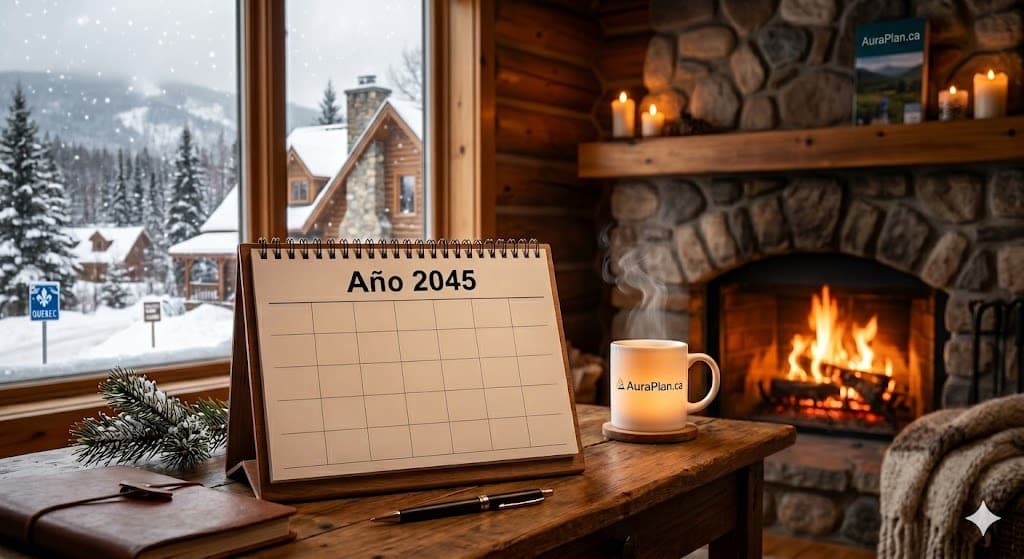
On the eve of my birthday, as I philosophized about how quickly the pages of the calendar turn, a thought came to mind. We often let ourselves be intoxicated by the vitality of spring, that period where everything blooms and energy seems inexhaustible. However, when reflecting on the natural course of existence, it is impossible to ignore a fundamental reality: spring is fleeting. Even if we do not want it to pass, time continues its course. Nature dictates an inevitable cycle, and our lives follow the same rhythm. Although we sometimes resist the idea of aging, preparing for the "winter" of our lives is not an act of pessimism, but one of intelligence and prudence.
If one thing is irrefutable, it is that our humanity is united by a single, inescapable constant: the passage of time. Regardless of our beliefs, our social position, our gender, or any other label that defines us, the clock ticks to the same beat for everyone.
Aging is not an exception to life, but its shared destination.
Far from being just a physical decline, aging is an infinite duty that demands maturity and foresight. It is, in essence, the daily labor of reconciling ourselves with our own evolution. Accepting the inevitability of time is the first step toward living the present with fullness and the future with absolute responsibility.
That maturity demands constant preparation, and it runs through unavoidable questions. The first: knowing how much money we actually need, a subject we explore in depth in How much money do you need to retire in Quebec?. The second: deciding at what age we are truly ready to take the step, which we walk through in At what age should you retire?. It is about reconciling the system's rules with the weight of our own destiny.
Preparing the Shelter: RRSP, TFSA and Non-Registered Savings
The analogy is clear: winter demands meticulous preparation. We must ensure we have enough firewood, a thermal shelter, and provisions, knowing that the cost of living rises when the climate becomes hostile. In the same way, retirement is a stage where expenses can be unpredictable, influenced by potential health issues or unforeseen events that require greater financial investment.
Just as we stock our closets with gloves, scarves, and coats to face extreme temperatures, we must manage our financial tools: RRSPs, TFSAs, and non-registered savings. We do not know with certainty how harsh our personal winter will be. But having our "layers" of financial protection ready allows us to face any economic cold snap with the peace of mind that comes from knowing one is protected.
Children's education or our own pension? Faced with this crossroad, the best strategy is to prioritize our retirement. By ensuring our financial stability, we not only guarantee our own peace of mind, but we also free our children from the obligation of having to cover our shortfalls later.
"Winter Is Coming": What to Do When You Change Jobs
As the famous phrase from House Stark in Game of Thrones warns: "Winter is coming…" Winter is not just a seasonal change; it is a symbolic warning about the inevitability of time. This phrase resonates strongly when we talk about retirement: preparation is an exercise in foresight, even while we are still in the prime of our productive years.
To prepare for this stage, it is fundamental to educate yourself and learn basic investment principles. For example, understanding the types of investments you hold, how much you will have saved by the time you retire, and the role inflation plays. Additionally, it is crucial not to touch savings intended for your pension; if you do, you will lose capital and the potential of compound interest. For example, if you change jobs, you can transfer pension funds to a new plan with your new employer through official documentation, ensuring there are no tax consequences.
What happens if your new employer does not have a plan where you can deposit those funds? Often, they are transferred to a LIRA (Locked-in Retirement Account), a registered pension account designed specifically to receive funds from a previous pension plan. It is a "locked-in" account where the money remains until retirement; although you cannot make additional contributions, you maintain control over how the capital is invested.
As we noted in our article The Retirement Puzzle in Quebec: Are We Building a Goal or a Labyrinth?, retirement can seem like a distant and confusing objective. However, on the board of personal finance in Canada and Quebec, every piece counts. Just as we consult reliable apps to monitor the weather forecast before heading out into the snow, we must rely on tools that allow us to foresee our future financial situation.
Want a plan that adapts to your life?
AuraPlan is in open beta — take the free assessment and see where your retirement plan stands.