How Much Money Do You Need to Retire in Quebec?
Canadians now estimate they need $1.7M to retire comfortably. Here is how to build a real budget, plan your projects, and avoid the surprises in Quebec.
By Yeny Carias · Co-Founder
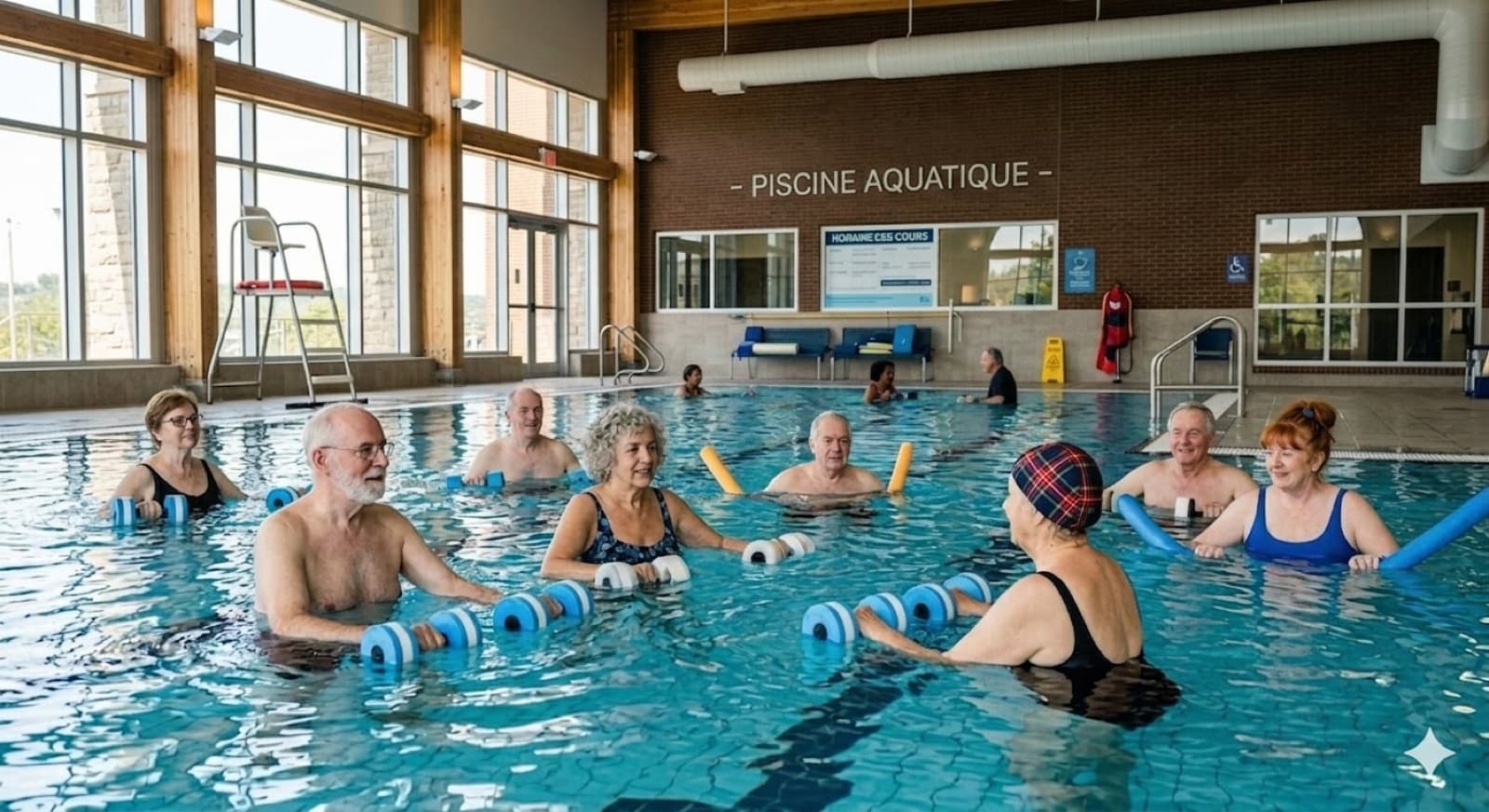
Retirement is often viewed as a distant figure in a bank account, but in reality, it is the sum of the small moments we will bring to life in the future. What does that future look like for you? Is it a dream trip, a blooming garden, or a quiet afternoon with friends?
Planning for Joy: The Reality of a Fulfilling Retirement
Not long ago, while attending an aqua-fit session at a pool here in Quebec, I paused to observe a group of retired women. They were fully enjoying their social life, enthusiastically chatting about their spring shopping and gardening plans. In that moment, I realized: their happiness wasn't an accident. They hadn't just saved for the basics; they had planned a budget specifically for their physical health, their hobbies, and their emotional well-being.
Seeing them so fulfilled led me to dive deeper into the question we all ask ourselves, but few can answer accurately: How much money do you really need to plan for retirement?
How Much Do Canadians Think They Need to Retire?
The answer isn't simple, and the target seems to be moving. According to a BMO study from early 2026, Canadians now estimate they need an average of $1.7 million in savings to retire comfortably. This represents a significant jump from the $1.54 million estimated in 2025, an increase likely driven by the persistent impact of inflation on the cost of living.
While the calculation may seem complex due to unpredictable factors like longevity, building a solid strategy is possible if we focus on the right pillars.
1. The Starting Point: Your Living Budget
To project an accurate figure, the first step is tracking your current expenses. Retraite Québec uses the 70% rule as its reference: the income you will need in retirement equals that share of your current income. It is a starting point, not a verdict. If your plans look like those of the women at the pool, with sport, outings, and a garden, aim higher.
When building this calculation, consider categories that are often overlooked:
- Housing: The pillar of your stability. You must decide if your current home will remain practical or if you'd prefer a retirement residence (RPA) in Quebec. Staying put means budgeting for accessibility renovations and major maintenance (roof, heating). Additionally, remember that municipal taxes and home insurance premiums tend to rise annually.
- Health and Wellness: An investment in your quality of life. A dignified retirement requires accounting for what the public system doesn't cover: dental care (with some exceptions), vision, and hearing aids. Physical wellness, such as sports, is a preventive investment. Furthermore, delegating tasks like snow removal or cleaning is not a luxury; in Quebec, there are tax credits for home support services that can significantly offset these costs.
- Lifestyle: The necessary balance. This includes transportation, communications, leisure, and those special moments, like attending a concert by your favorite artist. Striking this balance between enjoying today and securing tomorrow is vital; therefore, we recommend reading our article on employer retirement plans in Quebec.
2. Defining Your Life Project
Retirement is a change of direction, not a stop sign. Ask yourself:
- Where will you live? Will you stay in your current home or move?
- Will you travel frequently? This requires funds beyond just tickets, such as international medical insurance.
- Do you want to launch a new career or work for pleasure? Retirement often provides an opening for exciting new beginnings.
- The Social Factor: It is vital to consider that retiring sometimes means losing the primary connection to a social circle at work. Planning group activities is key to maintaining emotional health.
3. Income Sources and the "RESP Trick"
It is essential to conduct a detailed inventory of your assets to have a clear view of your retirement income. This means tracking funds in your retirement accounts and projecting benefits from the QPP (RRQ), OAS (SV), personal savings, and your RRSP (REER) and TFSA (CELI).
For example, a very useful strategy in Quebec involves the RESP (Registered Education Savings Plan). If you contributed for your children and one decided not to pursue higher education, you can recover your principal. To avoid losing gains to taxes and penalties (which can reach 20%), there is a smart option. If you have contribution room in your RRSP, you can transfer up to $50,000 of the RESP gains directly there. This way, the money strengthens your retirement instead of being diluted by taxes.
4. Taxes and Quebec Variables
We must be realistic about taxation. In our province, withdrawing funds from an RRSP triggers an automatic tax withholding (generally 14% provincial plus the federal portion, depending on the amount). Making your money last requires a strategy that considers these withholdings, along with inflation and unforeseen expenses like major repairs.
5. The Path to Financial Freedom
Achieving a fulfilling retirement, like those women at the pool, requires expertise and accounting for multiple variables. Strategic planning protects you not only against running out of funds but also against the erosive effects of inflation and market fluctuations.
Well-designed planning acts as a shield against common financial mistakes and provides the security needed to face this stage of life. Beyond preventing a shortfall, a solid strategy keeps you vigilant against potential fraud and allows you to react to the unexpected without compromising your quality of life.
Conclusion: What is the happiest age to retire?
It is the age where your financial preparation aligns with your personal goals.
At AuraPlan, we help turn these uncertainties into a clear strategy so that your only concern is enjoying your new freedom.
Want a plan that adapts to your life?
AuraPlan is in open beta — take the free assessment and see where your retirement plan stands.